What Is Mobile Energy Storage?
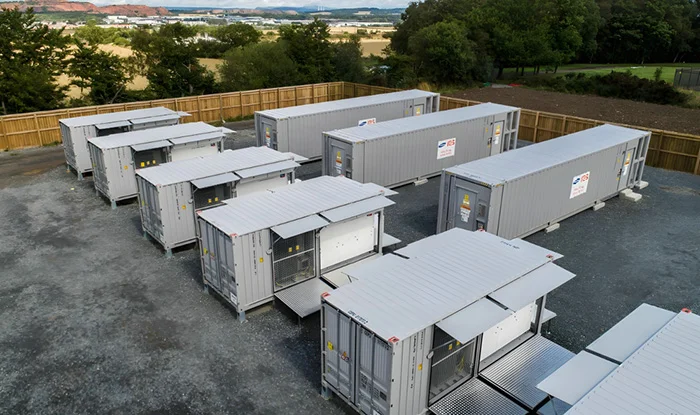
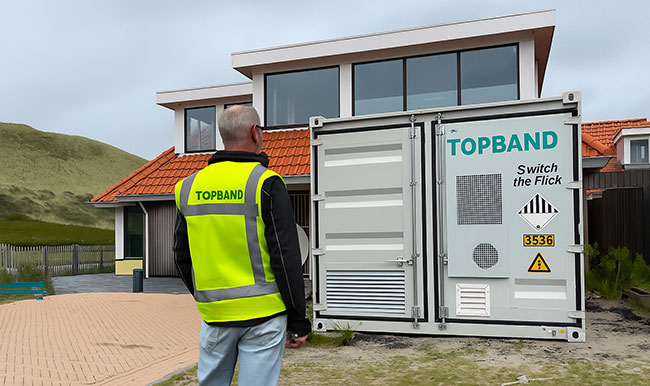
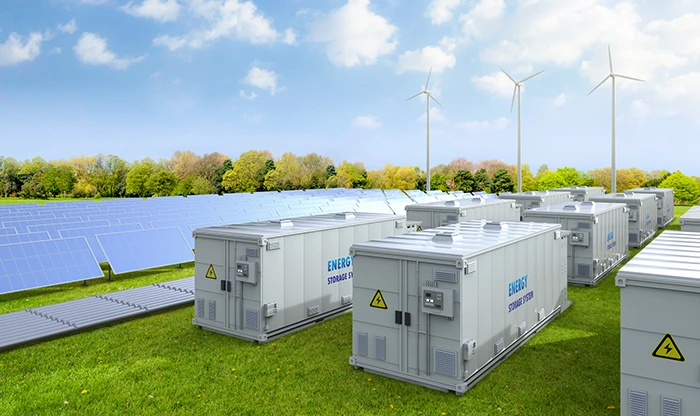
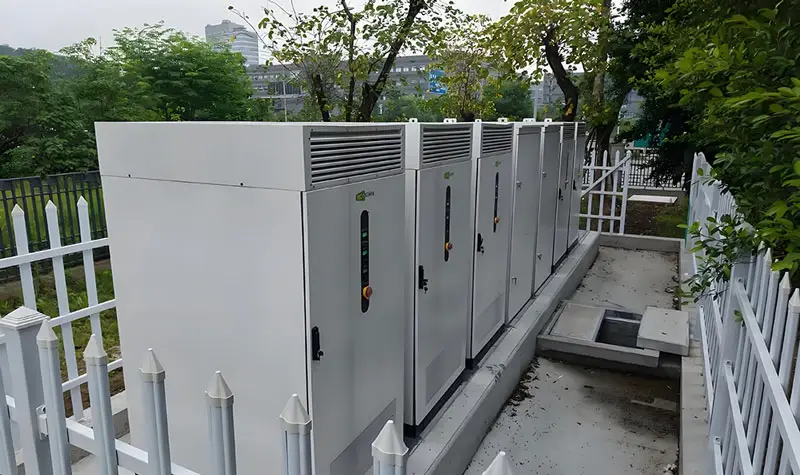
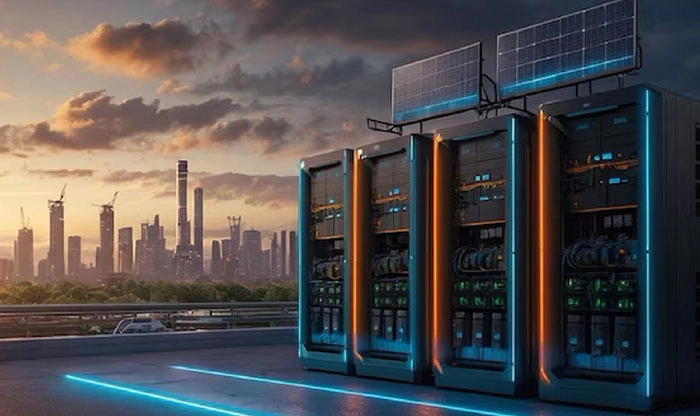
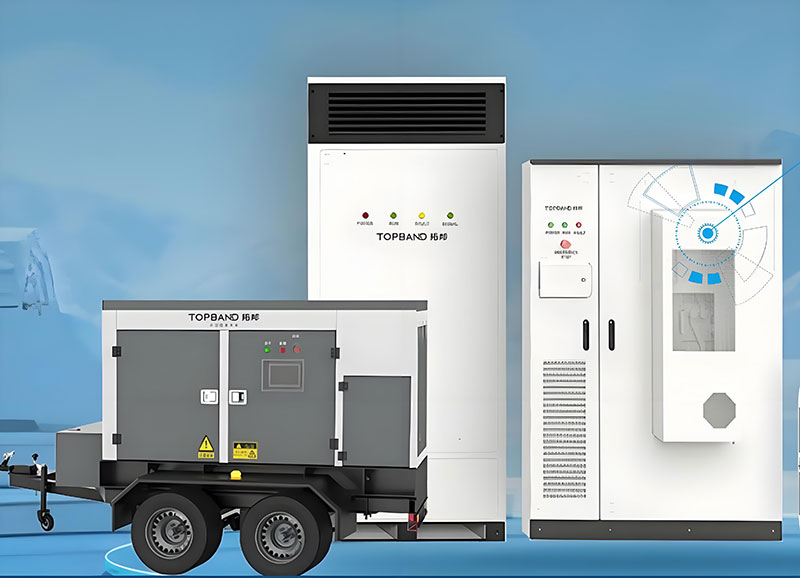
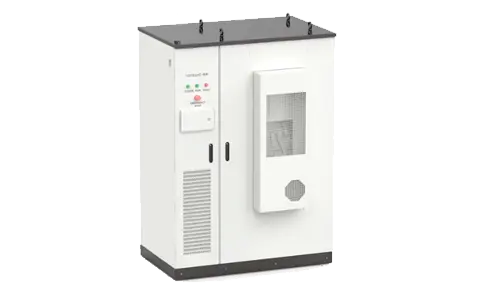
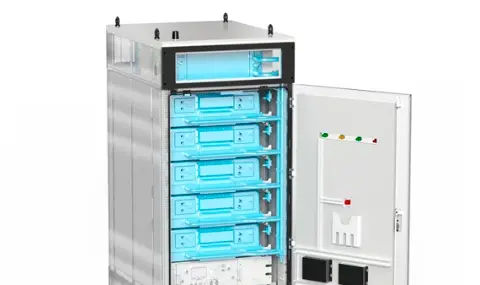
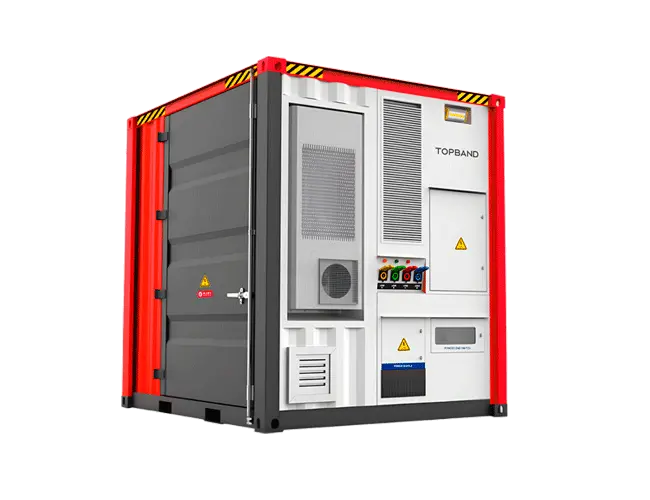
Mobile Energy Storage—also known as mobile battery storage or portable power storage—is a turnkey solution combining high-performance lithium-ion battery modules, an advanced Energy Management System (EMS), and a Power Conversion System (PCS) in a single energy storage cabinet. Unlike stationary ESS, our mobile storage cabinets and vehicle-mounted storage units require no civil works and can be repositioned in minutes. Topband’s mobile ESS leverages the “1-cell, 1-cloud, 3S” architecture (cell, cloud platform, BMS, PCS, EMS) to provide real-time monitoring, intelligent scheduling, and peak-valley arbitrage, all within a rugged, IP65-rated, fire-retardant enclosure.
Empower your operations with Topband’s mobile energy storage system and portable energy storage solutions. Our energy storage cabinets and energy storage battery cabinets deliver flexible energy storage on-site—perfect for construction, events, telecom, and emergency response.
Key Features of Our Mobile Energy Storage Systems
Modular Design & Scalability
Start with a single 2 kW/1.7 kWh module and scale to hundreds of kW by paralleling multiple portable energy storage cabinets.
Intelligent Energy Management
Cloud-connected EMS offers live dashboards, predictive load shifting, and remote firmware upgrades for seamless operation.
Rapid Deployment
No foundations required—our portable power storage units roll or crane into place and power up within minutes.
Broad Compatibility
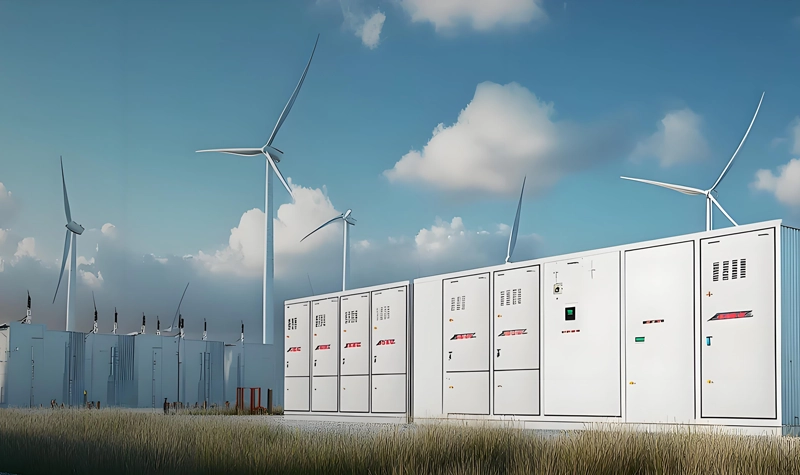
Supports prismatic, pouch, and cylindrical cells. DC-couple to solar PV or wind turbines; AC-output at 220 V/110 V for critical loads.
Safety & Reliability
Over-charge/discharge protection, thermal runaway mitigation, multi-level isolation, and certifications (ISO9001, IATF16949, CNAS) ensure robust performance.
Topband Mobile Energy Storage Product
-

-
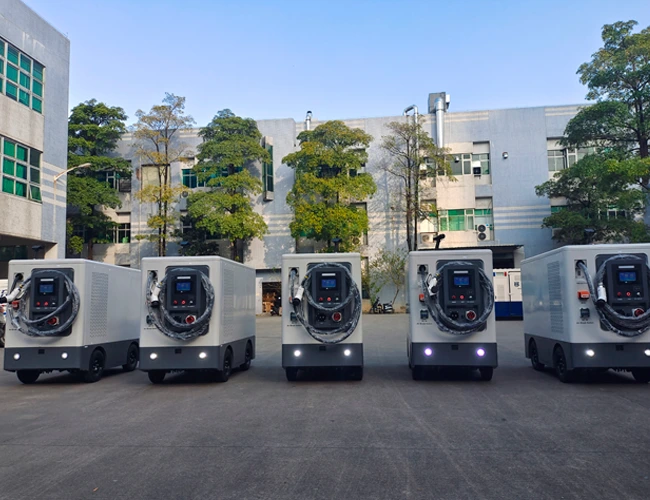
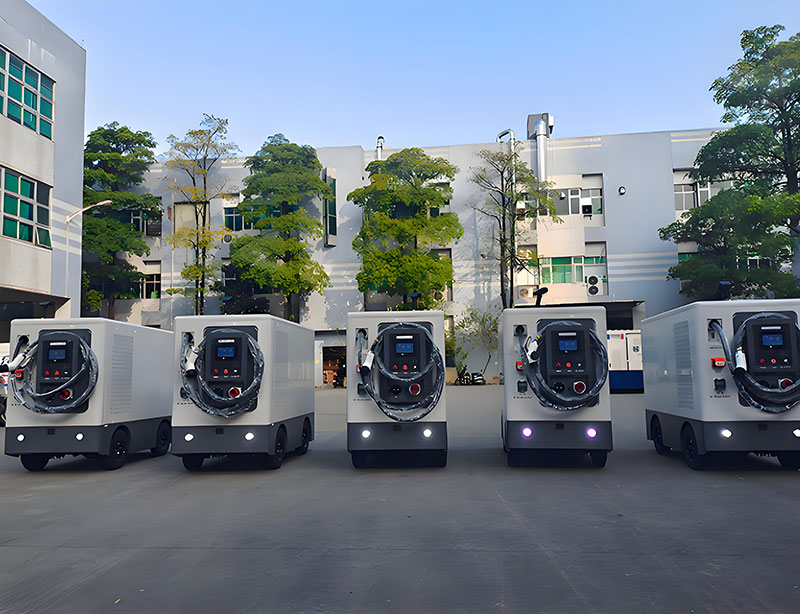
Mobile energy storage vehicles (trailer type) have become an important component of modern energy solutions due to their high mobility...
learn more
-

-
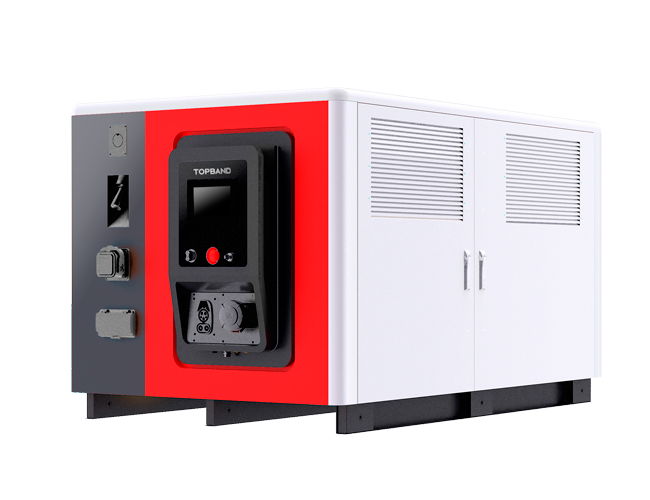
Flexibility and convenience,Integration of energy storage and charging...
learn more
Advantages of Mobile ESS & Portable Energy Storage
Low-Carbon Operation: Replace diesel gensets, cutting CO₂ emissions and noise pollution.
Cost Savings: Use time-of-use tariffs (peak-valley arbitrage) to lower energy bills; maintenance costs far below diesel.
Intelligent Control: Remote monitoring and automated scheduling reduce operational overhead.
High Reliability: Certified to international standards; built-in redundancies ensure uptime.
Versatile Deployment: IP65-rated cabinets withstand harsh environments; mix-and-match with renewables for hybrid configurations.
Commercial Applications of Mobile Battery Storage
Emergency & Disaster Relief: Rapidly supply power to hospitals, shelters, and field offices after natural disasters.
Construction & Temporary Sites: Quiet, clean energy for tools and lighting without fumes or permits.
Highway Service Areas: Act as pop-up EV charging stations for stranded drivers.
Events & Exhibitions: Power stages, lighting rigs, and digital displays at festivals and fairs.
Logistics & Warehousing: Charge electric forklifts and AGVs in zero-emission warehouses.
Telecom & Edge Computing: Provide back-up power for remote base stations and edge data centers.
Frequently Asked Questions
What is mobile energy storage?
A portable cabinet combining battery modules, EMS, and PCS for plug-and-play on-site power.
How does it differ from stationary storage?
Mobile ESS units are transportable and require no civil installation, unlike fixed systems.
How to choose a portable energy storage cabinet?
Consider power (kW) vs. capacity (kWh), IP rating, weight, dimensions, and EMS features.
What is vehicle-mounted storage?
Trailer or truck-integrated cabinets offering rapid “3 s ID + 10 s swap” for fleet operations.
Which industries use portable power storage?
Construction, events, logistics, telecom, emergency services, and highway support.
Can modular energy storage expand?
Yes—parallel multiple cabinets for higher output and longer runtimes.
What is battery cycle life?
Typically 3,000–5,000 cycles at 80% DoD with proper BMS management.
How is safety ensured?
Over-charge/discharge protection, thermal runaway mitigation, and multi-layer isolation.
What is peak-valley arbitrage?
Charging during low-tariff hours and discharging during high-tariff hours to save costs.
What are typical ratings?
Models range from 2 kW/1.7 kWh to 5 kW/5.6 kWh, with parallel expansion options.
Can I monitor remote operations?
Yes—cloud EMS provides live data, alerts, and firmware updates.
How is deployment handled?
Position the cabinet, connect to loads or renewable inputs, configure EMS, and go live.
Can it integrate with renewables?
PCS modules accept DC from PV or wind; EMS optimizes hybrid charging strategies.
How fast is battery swapping?
Advanced stations achieve “3 s recognition + 10 s swap” for light EVs.
What is the ROI period?
Typically 2–5 years, depending on tariffs, usage, and diesel replacement savings.
How to Choose a Mobile Energy Storage System
Power & Capacity: Match your peak load and desired runtime; start with a 5 kWh cabinet or parallel multiple units.
Deployment Scenario: For quick response, choose lightweight, IP65-rated energy storage cabinets; for heavy-duty sites, use trailer-mounted units.
Safety & Certifications: Ensure ISO9001, IATF16949, and CNAS lab approvals, plus UL/CE compliance.
EMS Intelligence: Opt for cloud-connected EMS with remote monitoring, predictive maintenance, and peak-valley arbitrage.
Renewable Compatibility: Verify DC coupling for solar/wind integration and AC output for critical loads.
Cost of Ownership: Calculate CapEx, OpEx, maintenance, and diesel replacement savings.
Service Network: Select a manufacturer with a global R&D footprint and fast local support.
Future Development Trends of Mobile Energy Storage
The mobile energy storage market is poised for rapid evolution as global demand for clean, on-site power grows. Key trends over the next 5–10 years include:
Higher Energy Density & Longer Life
Advances in lithium-ion chemistries (e.g., silicon-enhanced anodes, solid-state electrolytes) will boost energy density by 20–30%, enabling portable energy storage systems to deliver greater capacity in the same energy storage cabinet footprint. Improved cell longevity—targeting 5,000+ cycles—will lower lifecycle costs and enhance ROI for mobile battery storage deployments.
Integrated Renewable Hybridization
Future mobile ESS solutions will natively integrate DC inputs from solar panels and small wind turbines. Intelligent portable power storage controllers will optimize charging from renewables, grid peaking, and bidirectional Vehicle-to-Grid (V2G) interactions. This hybrid approach will maximize self-consumption and reduce dependence on diesel generators.
AI-Driven Energy Management
Cloud-based analytics and machine learning will revolutionize EMS capabilities. Predictive algorithms will forecast load curves, weather patterns, and energy prices—automating peak-valley arbitrage and preemptive maintenance. Real-time fault detection and autonomous reconfiguration of parallel mobile storage cabinets will improve uptime and safety.
Ultra-Fast Charging & Swapping
Next-generation mobile energy storage systems will support ultra-fast charging (e.g., 6C rates) and standardized “snap-in” battery modules for sub-minute swap times. Standardized interfaces will enable interoperability across brands, facilitating rapid deployment in fleet, emergency, and event-based scenarios.
Modular & Lightweight Designs
Composite materials and compact thermal management will reduce cabinet weight by up to 30%, making portable energy storage truly handheld or drone-deliverable. Enhanced modularity will allow plug-and-play combination of micro-units to create megawatt-scale mobile microgrids.
Regulatory & Business Model Innovation
As regulations favor low-carbon technologies, governments will introduce incentives for mobile battery storage in disaster relief, remote electrification, and grid support services. Pay-per-use and energy-as-a-service models will emerge, lowering entry barriers for small-and-medium enterprises.


.webp)