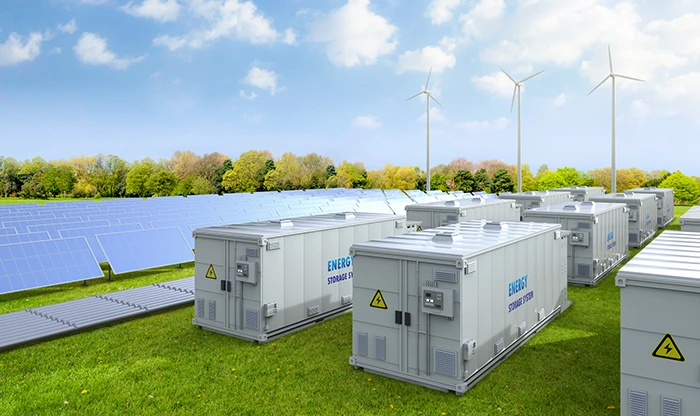
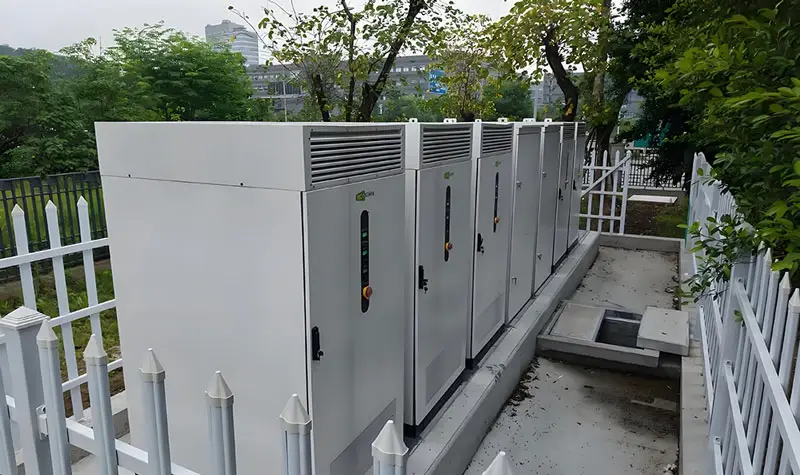
1.What Is a Smart Energy Storage System?
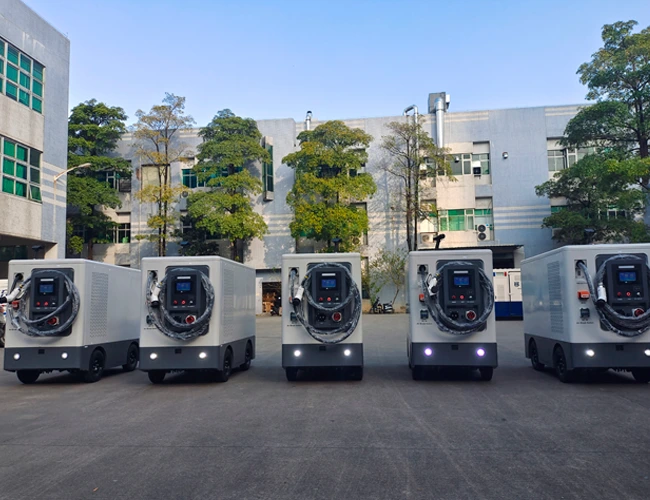
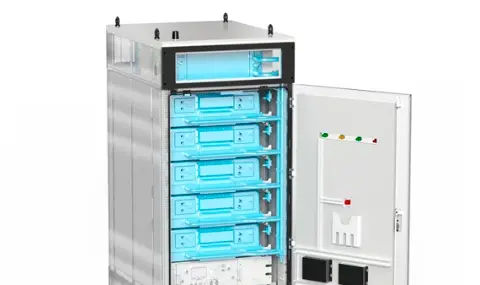
Mobile Energy Storage—also known as mobile battery storage or portable power storage—is a turnkey solution combining high-performance lithium-ion battery modules, an advanced Energy Management System (EMS), and a Power Conversion System (PCS) in a single energy storage cabinet. Unlike stationary ESS, our mobile storage cabinets and vehicle-mounted storage units require no civil works and can be repositioned in minutes. Topband’s mobile ESS leverages the “1-cell, 1-cloud, 3S” architecture (cell, cloud platform, BMS, PCS, EMS) to provide real-time monitoring, intelligent scheduling, and peak-valley arbitrage, all within a rugged, IP65-rated, fire-retardant enclosure.
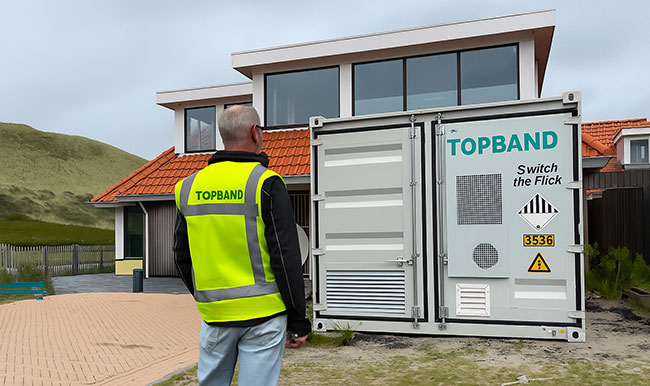
Empower your operations with Topband’s mobile energy storage system and portable energy storage solutions. Our energy storage cabinets and energy storage battery cabinets deliver flexible energy storage on-site—perfect for construction, events, telecom, and emergency response.
2.Key Features & Functions of a Smart Energy Storage System
Modular Design & Scalability
Start with a single 2 kW/1.7 kWh module and scale to hundreds of kW by paralleling multiple portable energy storage cabinets.
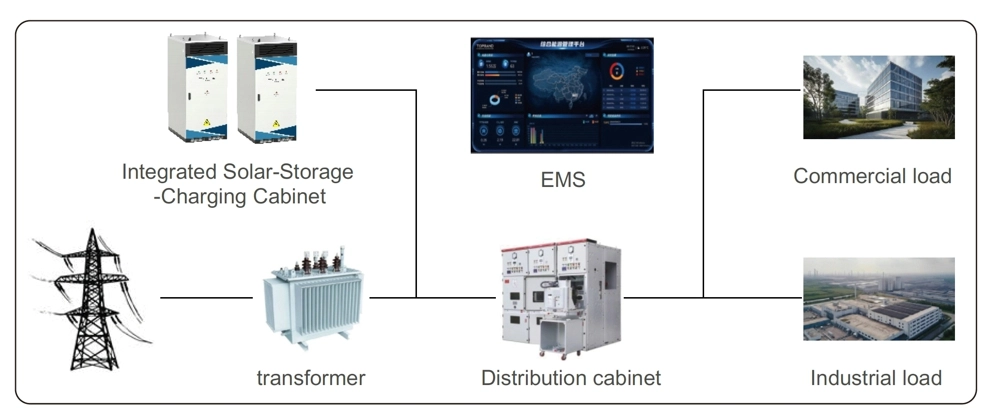
Intelligent Energy Management
Cloud-connected EMS offers live dashboards, predictive load shifting, and remote firmware upgrades for seamless operation.
Rapid Deployment
No foundations required—our portable power storage units roll or crane into place and power up within minutes.
Broad Compatibility
Supports prismatic, pouch, and cylindrical cells. DC-couple to solar PV or wind turbines; AC-output at 220 V/110 V for critical loads.
Safety & Reliability
Over-charge/discharge protection, thermal runaway mitigation, multi-level isolation, and certifications (ISO9001, IATF16949, CNAS) ensure robust performance.
3.Topband Smart Energy Storage System Products
-

-
Mobile energy storage vehicles (trailer type) have become an important component of modern energy solutions due to their high mobility...
learn more
-

-
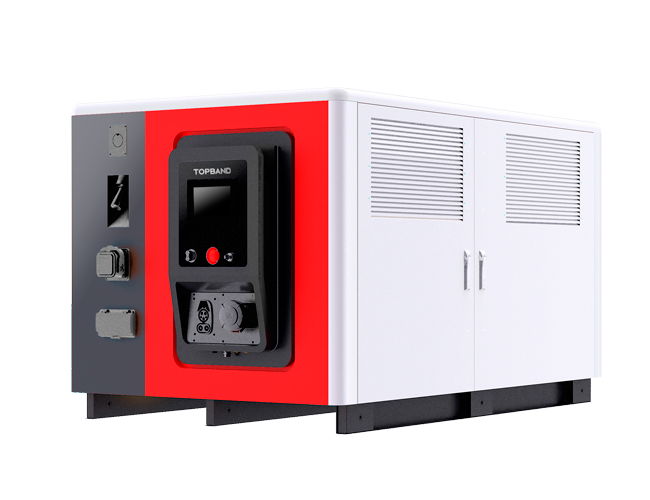
Flexibility and convenience,Integration of energy storage and charging...
learn more
4.Main Applications of Smart ESS
Low-Carbon Operation: Replace diesel gensets, cutting CO₂ emissions and noise pollution.
Cost Savings: Use time-of-use tariffs (peak-valley arbitrage) to lower energy bills; maintenance costs far below diesel.
Intelligent Control: Remote monitoring and automated scheduling reduce operational overhead.
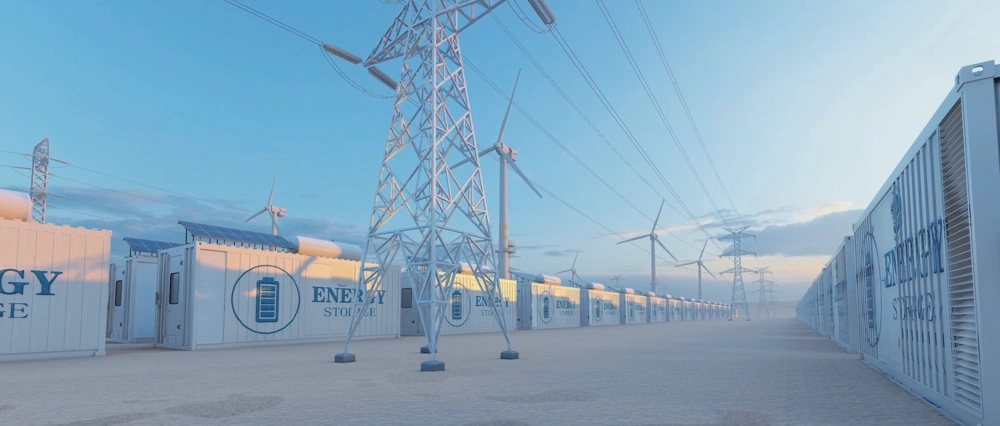
High Reliability: Certified to international standards; built-in redundancies ensure uptime.
Versatile Deployment: IP65-rated cabinets withstand harsh environments; mix-and-match with renewables for hybrid configurations.
5.How to Choose a Smart Energy Storage Manufacturer
Emergency & Disaster Relief: Rapidly supply power to hospitals, shelters, and field offices after natural disasters.

Construction & Temporary Sites: Quiet, clean energy for tools and lighting without fumes or permits.
Highway Service Areas: Act as pop-up EV charging stations for stranded drivers.
Events & Exhibitions: Power stages, lighting rigs, and digital displays at festivals and fairs.
Logistics & Warehousing: Charge electric forklifts and AGVs in zero-emission warehouses.
Telecom & Edge Computing: Provide back-up power for remote base stations and edge data centers.
6.Topband Smart Energy Storage System Project Case
Australian Remote Mining Microgrid
Location: Pilbara Region, Western Australia
Configuration:
5 MWp solar PV farm
Topband Smart ESS: 1.5 MW / 3 MWh containerized system
Hybrid microgrid controller with diesel genset integration
Challenge:
A remote iron-ore mine in the Pilbara relied heavily on diesel generators to meet baseload and peak power demands. High fuel costs, logistical complexity of diesel delivery, and carbon-intensive operations drove the need for a cleaner, more reliable on-site power solution.
Solution:
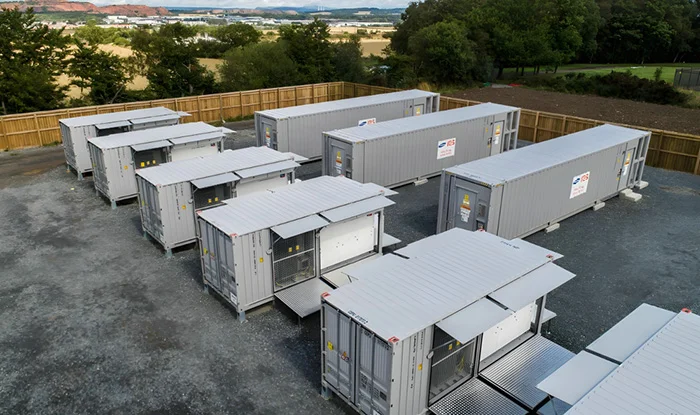
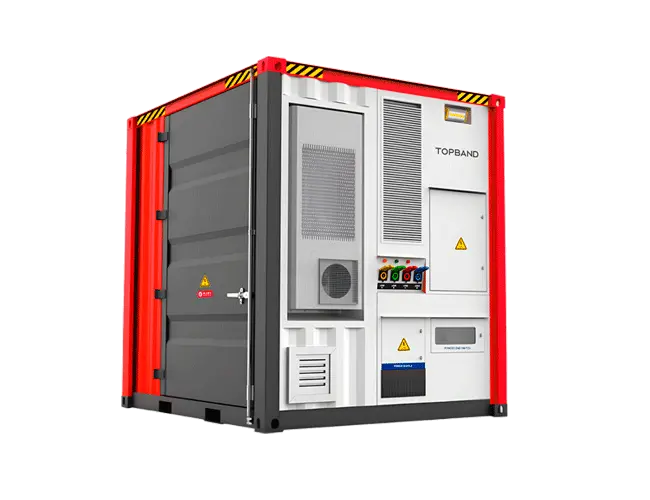
Topband deployed a turnkey Smart Energy Storage System housed in a 20-ft container. The 1.5 MW / 3 MWh Topband Smart ESS integrates with the existing 5 MWp solar array and diesel gensets via a high-speed microgrid controller. Key features included:
AI-Driven EMS: Forecasts solar output and load profiles, optimizing charge/discharge cycles for maximum solar self-consumption and peak shaving.
Bidirectional PCS: Seamlessly balances power flows among PV, ESS, and gensets, ensuring grid-quality output.
Remote Monitoring: Cloud-based dashboard provides real-time status, predictive maintenance alerts, and performance analytics.
Outcome:
45% Reduction in Diesel Consumption: Solar+ESS now supplies ~70% of daytime load, cutting fuel use by nearly half.
Annual Cost Savings: Achieved A$1.2 million in fuel costs and maintenance savings in the first year.
Improved Reliability: System uptime increased to 99.8%, with automated fault detection and remote diagnostics.
Carbon Emissions Cut: Reduced CO₂ emissions by approximately 8,500 tCO₂ annually, aligning with the mine’s sustainability targets.
This Australian microgrid project demonstrates how Topband’s Smart Energy Storage System can transform remote, diesel-dependent operations into low-carbon, cost-efficient energy assets.
Smart Battery Storage FAQs
How does Smart ESS differ from traditional battery cabinets?
Unlike conventional cabinets, Smart ESS features AI-driven EMS for predictive load forecasting and peak-valley arbitrage, remote firmware updates, and automated fault diagnosis. Topband’s Smart Battery Storage also supports DC coupling with solar PV and VPP aggregation.
What safety features are built into Topband’s Smart Battery Storage?
Each energy storage battery cabinet includes over-charge/discharge protection, thermal runaway mitigation, cell-level temperature monitoring, and multi-layer electrical isolation. All products comply with ISO9001, IATF16949, and CNAS laboratory certifications.
Can Smart Battery Storage cabinets be expanded?
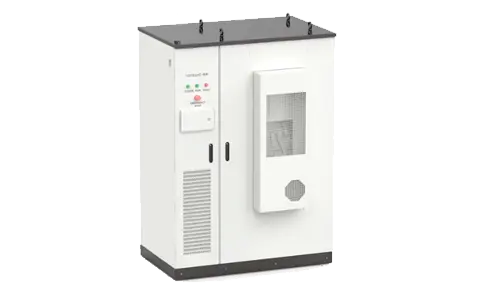
Yes—Topband’s modular design allows parallel connection of multiple cabinets. You can scale from 100 kW racks to multi-MW installations by simply adding additional energy storage cabinets.
How does AI-driven energy management work?
The cloud EMS analyzes historical load, weather forecasts, and tariff schedules to optimize charging during off-peak hours and discharging during peak periods. This maximizes ROI through peak shaving and peak-valley arbitrage.
Is remote monitoring available?
Absolutely—Topband’s cloud platform provides live dashboards for State of Charge (SoC), cell temperatures, and performance metrics, plus SMS/email alerts for any system anomalies.
What applications are ideal for Smart Battery Storage?
Commercial & Industrial: Peak load management and backup power.
Renewable Integration: Solar/wind smoothing via DC coupling.
EV Charging Hubs: Reducing grid impact with stored energy.
Microgrids: Off-grid power in remote areas or campus settings.
How do I calculate the right capacity?
Estimate your peak load (kW) and required runtime (hours). For example, a 500 kW peak over 4 hours needs a 2 MWh system—equivalent to two TBSE-1M cabinets in parallel.
What is the expected battery lifecycle?
Using LiFePO₄ cells, Topband’s Smart ESS delivers 3,000–5,000 cycles at 80% depth-of-discharge, with BMS-enabled balancing to maximize longevity.
How quickly can Smart Battery Storage be deployed?
No civil works are required. Standard energy storage battery cabinets roll into place, connect to AC/DC inputs, and are operational within hours—not weeks.
Can Smart ESS integrate with existing solar installations?
Yes—bidirectional PCS supports DC input from PV inverters. The EMS prioritizes solar self-consumption before drawing from the grid or discharging to loads.
What communication protocols are supported?
Topband’s Smart Battery Storage supports Modbus RTU/TCP, CANbus, and IEC 61850 for seamless integration with SCADA, BMS, and other third-party systems.
What warranty and service options are offered?
Standard coverage includes 5 years on cabinets and cells. Topband’s global network of 14 production/R&D bases and AEO-certified logistics ensures timely spare-parts delivery and technician support.
How does Smart Battery Storage contribute to sustainability?
By replacing fossil-fuel generators and optimizing renewable energy use, Smart ESS reduces CO₂ emissions by up to 60%, aligns with “Green Power, Low Carbon” goals, and supports clients’ net-zero commitments.
8.Industry Trends & Future Outlook
The global Smart Battery Storage market is entering a phase of rapid innovation and expansion, driven by converging trends in renewable energy integration, digitalization, and decarbonization targets. Over the next five years, the following key developments will shape the industry’s trajectory:
Higher Energy Density & Next-Gen Chemistries
As demand for compact, high-capacity energy storage cabinets grows, battery manufacturers are shifting toward advanced lithium chemistries—such as solid-state electrolytes, silicon-enhanced anodes, and lithium-sulfur cells. These innovations promise 20–40% higher energy density, enabling modular energy storage systems to pack more capacity into the same footprint. Longer cycle life (5,000+ cycles) and improved safety profiles will drive adoption in both commercial and industrial applications.
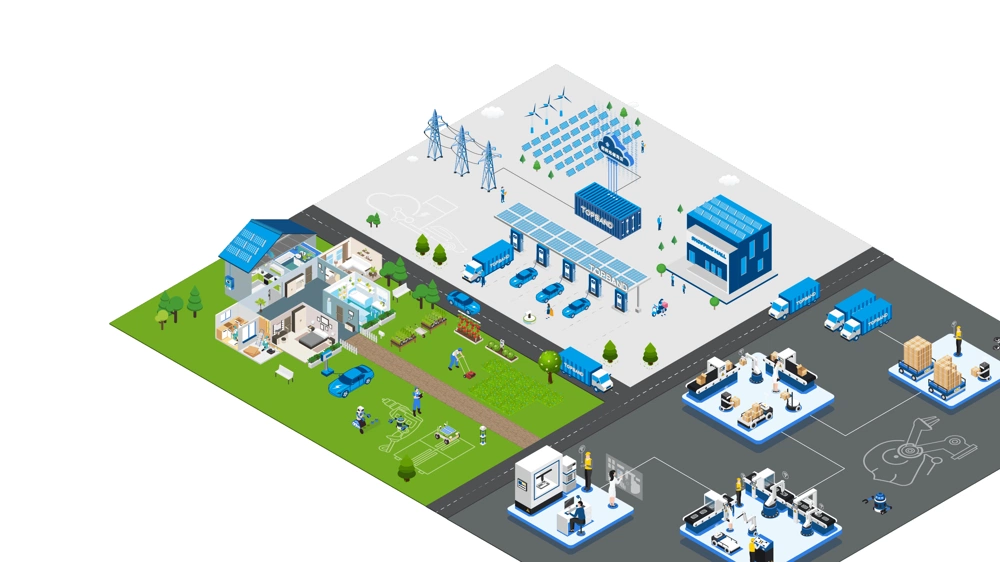
AI-Powered Energy Management & Digital Twin Platforms
Future Smart Energy Storage Systems will leverage cloud-based digital twins—virtual replicas of physical ESS installations—to simulate performance, forecast maintenance needs, and optimize control strategies. Combined with machine-learning-driven EMS algorithms, operators will achieve sub-minute peak-shaving, dynamic load balancing, and predictive fault detection. This level of intelligence will elevate mobile ESS, energy storage battery cabinets, and utility-scale systems from reactive backup solutions to proactive grid-edge resources.
Convergence with Virtual Power Plants & Aggregated Services
Regulatory shifts and market reforms in Europe, North America, and Asia are enabling Vehicle-to-Grid (V2G), Demand Response, and Frequency Regulation services via aggregated Smart Battery Storage fleets. By bundling distributed cabinets, behind-the-meter systems, and EV batteries, aggregators will offer Virtual Power Plant (VPP) services to grid operators, earning multiple revenue streams—from capacity payments to ancillary service fees. This model will accelerate the transition to a flexible, decentralized energy paradigm.
Second-Life Batteries & Circular Economy Initiatives
As electric vehicle adoption surges, repurposed EV battery packs will find new life in stationary Smart ESS deployments. Second-life batteries—typically at 60–80% of original capacity—can deliver cost-effective storage for non-critical applications (e.g., peak load reduction, renewable smoothing). Leading manufacturers, including Topband, are developing standardized testing protocols and modular cabinets to seamlessly integrate used modules, reducing overall total cost of ownership (TCO) and supporting circular economy objectives.
Integration with Renewable Hybrid Microgrids
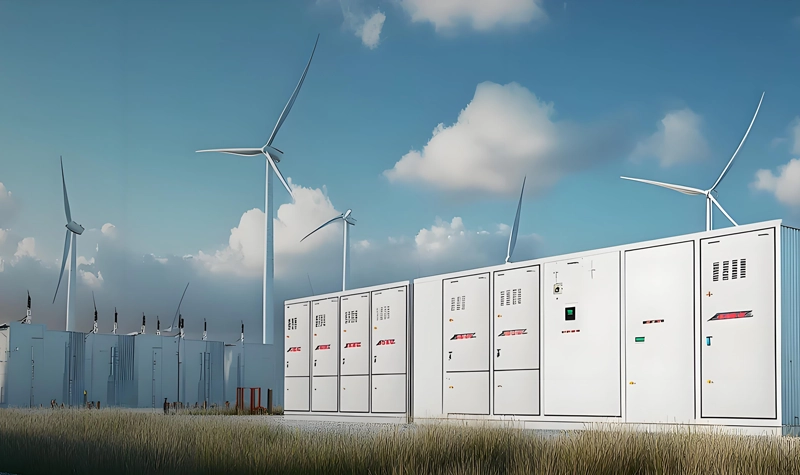
The convergence of solar PV, wind turbines, diesel generators, and Smart Battery Storage within hybrid microgrids will gain traction in off-grid and weak-grid regions. Intelligent controllers will orchestrate energy flows—charging from renewables during daylight and discharging during evening peaks—to maximize self-consumption and guarantee uninterrupted power. Fragmented mining sites, remote communities, and large campus facilities will increasingly rely on these turnkey microgrid solutions.
Energy-as-a-Service (EaaS) Business Models
To lower barriers to entry, manufacturers and EPC contractors will offer subscription-based or performance-guarantee contracts for portable power storage and fixed energy storage cabinets. Under EaaS models, customers pay monthly fees tied to availability, energy throughput, or demand-charge savings, shifting CapEx to predictable OpEx. This financing innovation will unlock growth in small-and-medium-enterprise (SME) segments and accelerate ESS penetration in emerging markets.
Standardization & Regulatory Harmonization
As the industry matures, international standards (IEC 62933, UL 9540, IEEE 2030.7) will converge with grid-code requirements and cybersecurity guidelines (IEC 62443). Clear regulatory frameworks around battery safety, recycling mandates, and grid-services compensation will enhance investor confidence. Governments will further incentivize ESS through tax credits, grants, and renewable portfolio standards, cementing Smart ESS’s role in achieving net-zero targets.
Blockchain-Enabled Energy Trading
Emerging pilots in blockchain-based peer-to-peer (P2P) energy trading will integrate Smart ESS as transaction settlement and balancing agents. Homeowners and communities with PV+storage assets will buy and sell kilowatt-hours over secure, transparent ledgers, creating hyper-localized energy marketplaces that optimize value and resilience.


.webp)