What Is Renewable Energy Storage?
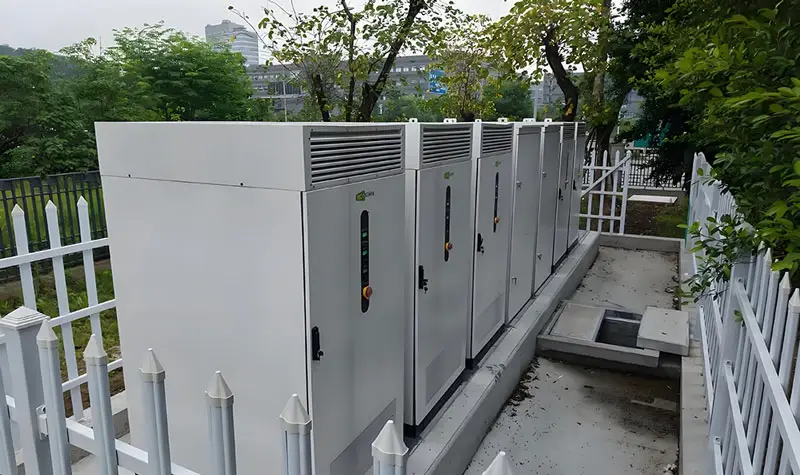
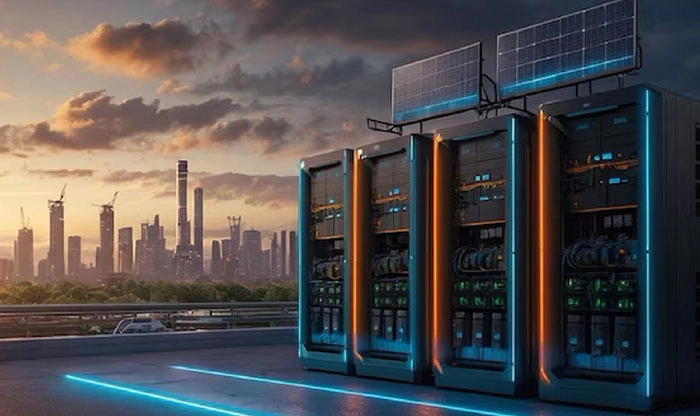
Renewable energy storage refers to the processes and technologies that capture and store intermittent energy—such as solar and wind power—in various media (electrochemical batteries, capacitors, compressed air, pumped hydro, etc.) for subsequent release when demand peaks or generation dips. TOPBAND, under the banner “Energy Aggregation for Low Carbon, A Green New Beginning,” leverages 29 years of expertise in intelligent control. Its “1‑Cell, 1‑Cloud, 3S” architecture integrates core components (cells, BMS, PCS, EMS) with digital platforms (T‑EMS, Power Cloud) to deliver end‑to‑end energy management solutions across residential, commercial, telecom, and photovoltaic storage & charging scenarios. TOPBAND’s product suite—from prismatic, pouch, and cylindrical cells to AC/DC chargers, residential/commercial energy storage systems, and portable/mobility storage—pairs with a full lifecycle service (design, manufacturing, cloud‑based O&M) to ensure safe, stable, and efficient operation.
Advantages of Renewable Energy Storage
Smoothing Supply and Demand Fluctuations
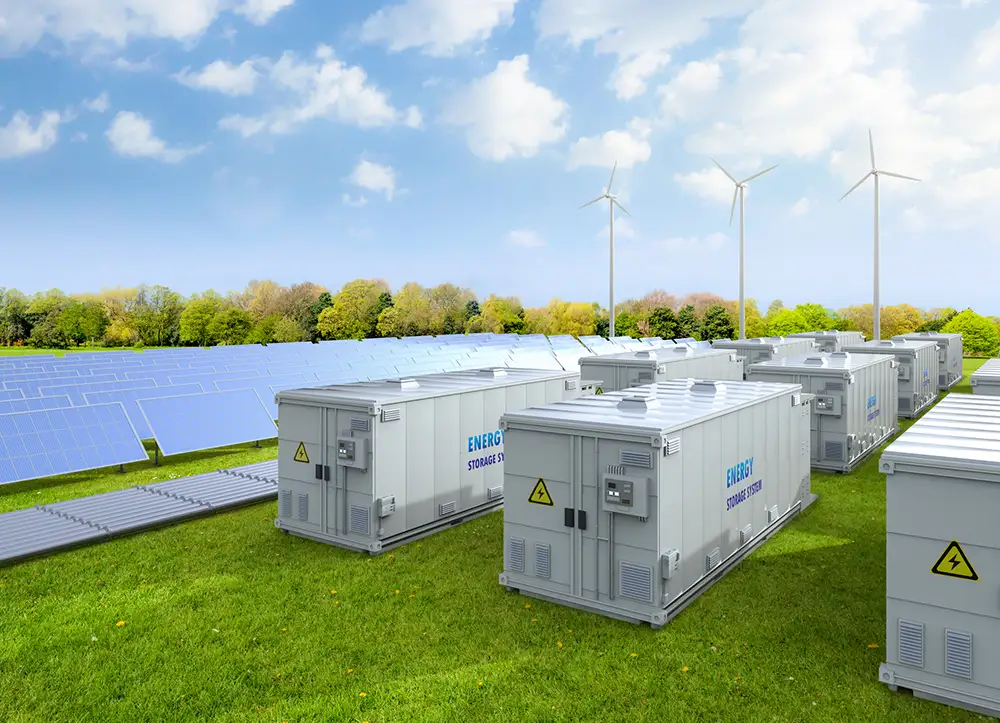
Energy storage absorbs excess power during off‑peak periods and discharges during peaks, achieving load leveling and minimizing curtailment of solar and wind generation. TOPBAND’s solar‑storage‑charging stations in Shenzhen, Shandong, and Zhejiang have demonstrated significant arbitrage benefits.
Enhancing Grid Reliability
Storage systems equipped with fast static transfer switches (<10 ms) seamlessly switch between grid‑connected and islanded modes, securing continuous power for critical loads (hospitals, data centers, military installations).
Reducing Total Energy Costs
By charging at lower off‑peak tariffs and discharging at higher peak rates, customers can realize annual electricity savings of RMB 200,000–350,000. TOPBAND’s large‑scale production and localized delivery reduce EPC costs by 10–15%, while AI‑driven operations optimize lifetime O&M to below 0.5% of initial CAPEX per year.
Supporting Carbon Neutrality
Integrating storage with renewable generation displaces diesel backup, cutting CO₂ emissions by thousands of tonnes annually. TOPBAND’s off‑grid projects in Xinjiang and Bangladesh have replaced diesel generators, reducing fuel costs by over 70% and eliminating noise and pollution.
Multi‑Scenario Flexibility
TOPBAND’s comprehensive portfolio—from home energy storage to commercial, utility, telecom backup, and mobile charging robots—meets diverse use cases, ensuring reliable energy anytime, anywhere.
TOPBAND Renewable Energy Storage Products
-

-
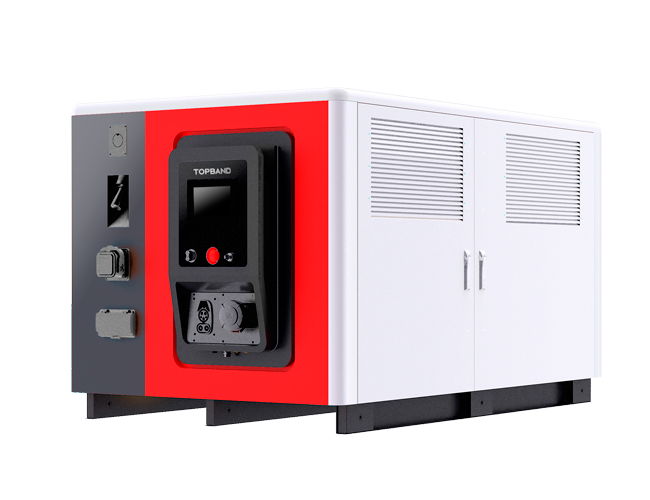
Mobile energy storage vehicles (trailer type) have become an important component of modern energy solutions due to their high mobility...
learn more
-

-
Flexibility and convenience,Integration of energy storage and charging...
learn more
Typical Costs of Renewable Energy Storag
System costs vary by scale, technology, and application. A 1 MWh commercial‑scale liquid‑cooled battery energy storage system (BESS)—including PCS, BMS, battery cells, civil works, and installation—ranges from RMB 5–8 million. Residential systems (~10 kWh) typically cost RMB 50,000–80,000 turnkey. Thanks to global multi‑site manufacturing and streamlined supply chains, TOPBAND reduces overall project CAPEX by 10–15%. Digital operations and predictive maintenance further lower OPEX, with annual servicing below 0.5% of invested capital. Government incentives and tariff arbitrage mechanisms can offset up to 30–50% of upfront costs, significantly improving payback periods.
How to Choose a Renewable Energy Storage Manufacturer
1.Technical Competence & R&D Investment:
Select vendors with in‑house development of cells, BMS, PCS, and EMS. TOPBAND invests over 15% of revenues into R&D, with 3,200+ patent applications and cutting‑edge IPD processes.
2.Manufacturing & Delivery Capabilities:
Look for multi‑site global production—TOPBAND operates 14+ bases in China, Vietnam, India, Romania, Mexico, and beyond—ensuring “local for local” rapid response.
3.Certifications & Quality Assurance:
Prioritize CNAS‑accredited labs, UL WTDP, TUV, ISO 9001/14001/45001, AEO, and national “Single Champion” recognitions.
4.Proven Track Record & References:
Evaluate completed projects—Xinjiang 1 MWh BESS, Bangladesh off‑grid microgrid, Zhejiang ultra‑fast charge storage prototype—and verify performance outcomes.
5.Service & Lifecycle Support:
Ensure the provider offers full‑scope EPC, S&OP supply‑chain integration, cloud‑based O&M, and tailored financing solutions.
Frequently Asked Questions
1. What is renewable energy storage and how does it work?
Renewable energy storage captures electricity generated from renewable sources such as solar and wind and stores it in batteries or other media. Systems like TOPBAND’s battery energy storage solutions store surplus energy during low-demand periods and release it when demand increases, ensuring reliable and efficient power supply.
2. What are the main applications of TOPBAND’s renewable energy storage systems?
TOPBAND’s renewable energy storage portfolio covers residential ESS for home solar storage, commercial and industrial BESS for demand management and backup power, telecom backup systems, and mobile energy storage stations for emergency and off-grid use.
3. How does TOPBAND ensure the safety of its battery energy storage systems?
TOPBAND integrates multi-layered safety protections, including advanced BMS (Battery Management System), fire suppression systems, real-time thermal monitoring, and UL/TUV-certified designs to guarantee safe, stable, and long-life operation.
4. What is the expected lifespan of a TOPBAND energy storage system?
Depending on configuration and usage, TOPBAND’s lithium battery energy storage systems typically achieve 6,000–10,000 cycles, translating to a service life of over 10–15 years under standard operating conditions.
5. How much space do commercial energy storage systems require?
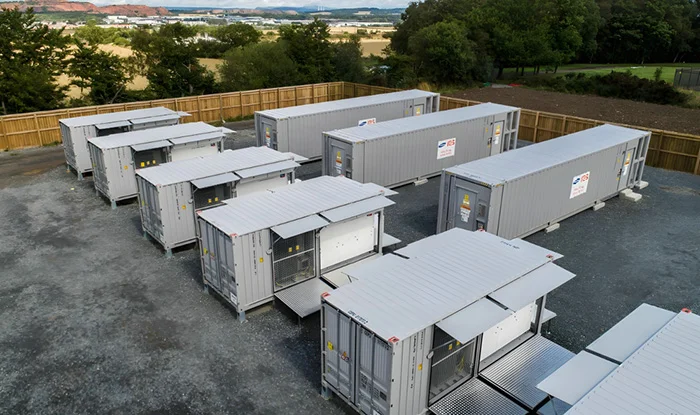
A standard 1 MWh liquid-cooled commercial battery energy storage system from TOPBAND occupies approximately 20–30 m², including PCS and thermal management units. Customized modular designs are available for space-constrained installations.
6. Can TOPBAND storage solutions be integrated with solar PV systems?
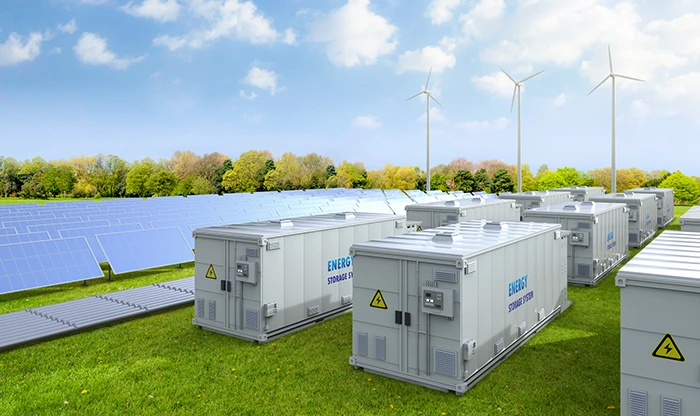
Yes. TOPBAND’s solar-storage solutions combine photovoltaic generation, battery storage, and intelligent energy management, enabling maximum self-consumption, peak shaving, and participation in grid services.
7. What are the advantages of using a TOPBAND residential ESS?
TOPBAND’s residential energy storage systems offer seamless backup power, reduce electricity costs by leveraging time-of-use tariffs, support off-grid operation, and help households achieve sustainability goals.
8. How does the T‑EMS Energy Management System improve performance?
The T‑EMS platform provides real-time monitoring, AI-driven dispatch, predictive maintenance, and smart scheduling of charging/discharging, ensuring optimal performance and extending system lifetime.
9. What certifications do TOPBAND energy storage products hold?
TOPBAND products are certified by UL, TUV, IEC, CEC, and comply with ISO 9001, ISO 14001, ISO 45001, and other international standards. CNAS-accredited labs and AEO certifications further validate quality.
10. What are mobile energy storage stations used for?
TOPBAND’s mobile battery energy storage stations are designed for emergency backup, rapid EV charging, outdoor events, and disaster relief scenarios where grid access is limited or unavailable.
Future Trends in Renewable Energy Storage
High‑Power & Long‑Cycle Technologies:
Next‑gen cells will simultaneously boost energy and power densities, targeting 10,000+ cycle lifetimes—TOPBAND’s latest cylindrical cell retains >90% capacity at 3 C rates.
Cross‑Sector Integration:
The convergence of storage with EV charging, microgrids, smart cities, and virtual power plants will create holistic “light‑storage‑charge‑swap” ecosystems.
Digital & AI‑Driven Operations:
Advanced analytics on Power Cloud and T‑EMS will enable real‑time lifetime forecasting, predictive maintenance, and market‑based dispatch, minimizing total cost of ownership.
Distributed & Aggregated Models:
Distributed residential and commercial systems will be aggregated into virtual power plants, participating in ancillary markets and providing grid services.
Market & Policy Synergy:
As subsidies phase out, market mechanisms—carbon pricing, ancillary service markets, and time‑of‑use tariffs—will drive further cost reductions toward sub‑USD 100/kWh levels and catalyze mass deployment, accelerating global “dual‑carbon” goals.


.webp)