Submit Message

portable power storage comprehensive guide

Welcome to our comprehensive guide on portable power storage—your go‑to resource for understanding the rapidly evolving world of portable energy. In today’s era of on‑the‑go lifestyles and unpredictable power needs, a reliable portable power storage system is no longer a luxury but a necessity. Whether you’re in construction, emergency services, outdoor recreation, or remote industrial operations, portable battery storage solutions empower you with clean, efficient energy anywhere. Explore market trends, key advantages, leading manufacturers, practical applications, and expert tips to select the right portable power storage solution for your needs.
portable power storage comprehensive guide
  • portable power storage comprehensive guide

What Is Portable Power Storage?

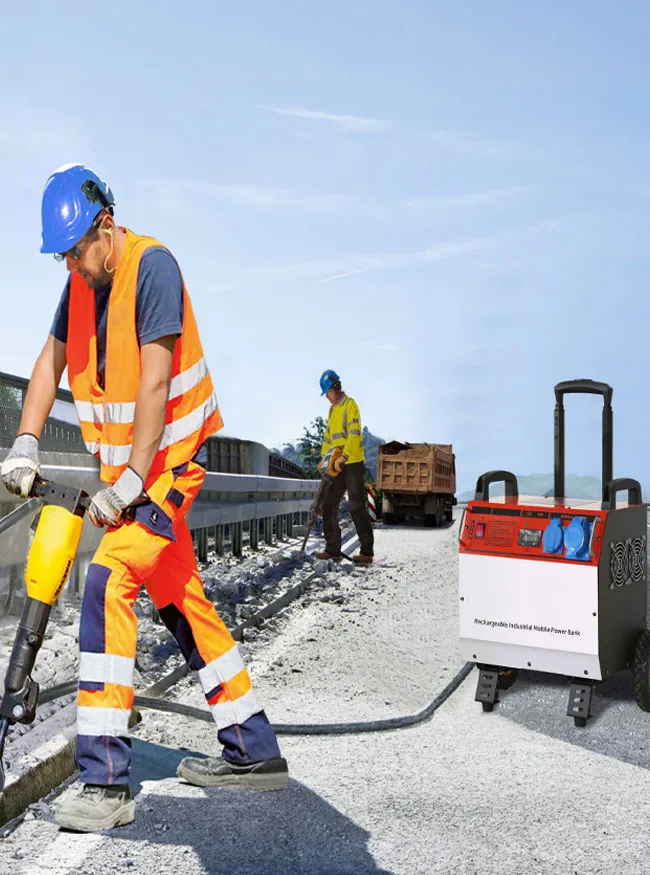
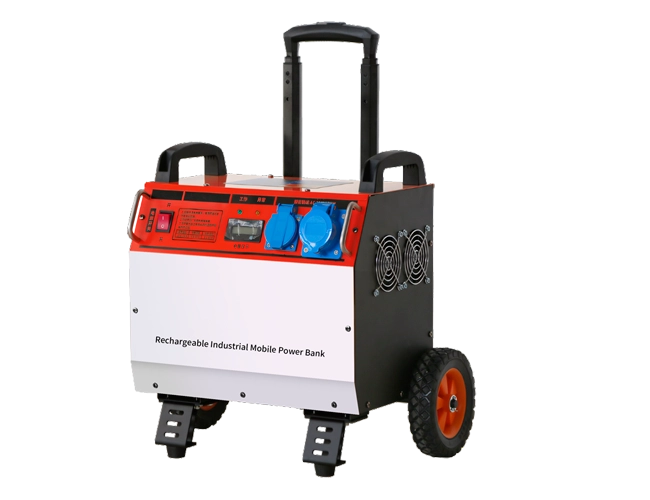
Portable power storage refers to compact, transportable energy systems that store electricity in rechargeable battery cells—most commonly lithium iron phosphate (LiFePO₄) or lithium‑ion chemistries. These units feature integrated inverters and DC‑DC converters to deliver AC pure‑sine outputs, DC outputs, and USB charging ports. Designed for mobility, they come with handles, wheels, or vehicle‑mount brackets, enabling rapid deployment across diverse environments.


Unlike stationary energy storage systems, portable battery storage solutions prioritize lightweight construction, modular scalability, and robust protection (IP ratings, shockproof enclosures). Advanced models include built‑in BMS for real‑time state‑of‑charge monitoring, over‑temperature cutoff, and predictive maintenance alerts via cloud‑based EMS (Energy Management System) platforms. Portable power storage empowers users to maintain productivity during power outages, work in remote locations, and pair with renewable sources like solar panels—ushering in a new era of clean, flexible energy independence.

Get The portable power storage

Topband Portable Power Storage Product

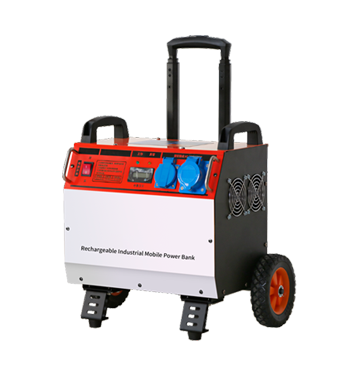
Shenzhen Topband Automation Technology Co., Ltd. leverages 29 years of smart‑control expertise to deliver industry‑leading Portable Energy Storage System solutions for the Middle East. Topband’s MBMP series—ranging from 2 kW/1.7 kWh tractor‑mounted units to 5 kW/5.6 kWh high‑capacity packs—are engineered for modularity, ruggedness, and smart monitoring.
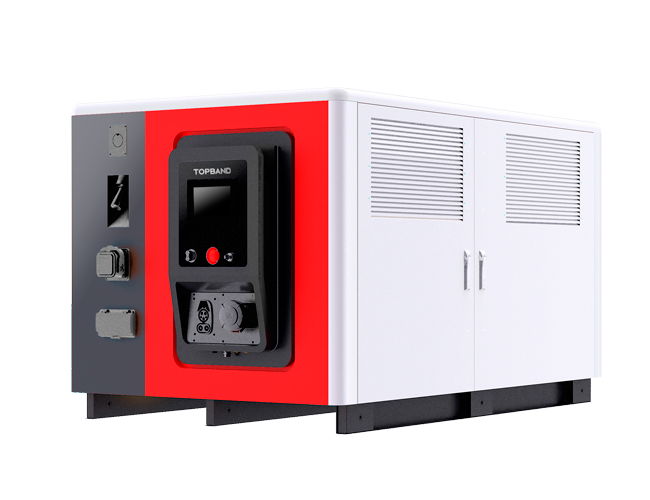
Mobile energy storage charging station - Portable Energy Storage Station

Mobile energy storage charging station - Portable Energy Storage Station

Portable Battery Charging Station | Smart Cloud Management · Peak Shaving · Emergency Power

+

Portable Battery Charging Station-High power portable power ban

Portable Battery Charging Station-High power portable power ban

+

Market Application Scenarios

Rapid Deployment: Pre‑integrated, plug‑and‑play systems minimize site prep and commissioning time.
Scalability: Modular cabinets allow capacity and power scaling in the field without redesign.
Resilience: Robust safety features and thermal controls ensure reliable operation under extreme heat and dust.
Cost‑Effectiveness: Peak‑shaving and arbitrage opportunities deliver fast payback and total cost of ownership savings.
Flexibility: Multi‑mode operation supports grid‑connected, islanded, and V2G use cases.

Key Advantages of Portable Power Storage

Rapid Deployment: Pre‑integrated, plug‑and‑play systems minimize site prep and commissioning time.

Scalability: Modular cabinets allow capacity and power scaling in the field without redesign.

Resilience: Robust safety features and thermal controls ensure reliable operation under extreme heat and dust.

Cost‑Effectiveness: Peak‑shaving and arbitrage opportunities deliver fast payback and total cost of ownership savings.

Flexibility: Multi‑mode operation supports grid‑connected, islanded, and V2G use cases.

Portable Battery Storage Specifications

  • Model
  • TBMP-3000
  • Rated power
  • 3000W
  • Peak power
  • 6000W
  • Battery capacity
  • 1700Wh
  • Charging time
  • ≤1.5h
  • Service life
  • 8-10 years
  • Bluetooth
  • Android, Apple IOS
  • Dimensions (W × D × H) mm
  • 450x280x380
  • Vehicle weight
  • 22kg
  • Authenticationed
  • FCC、UN38.3、CE

FAQs: Portable Power Storage

How does portable battery storage differ from a generator?

It uses rechargeable batteries, producing zero emissions, operates silently, and requires no fuel.


What is the typical runtime of a portable power storage unit?

Depends on capacity; e.g., a 5 kWh unit powering a 500 W load runs ~10 hours.


Can I expand capacity later?

Yes. Modular designs allow adding extra battery modules for higher kilowatt‑hours.


Is portable power storage safe in extreme temperatures?

Premium models use LiFePO₄ cells rated for –30 °C to +60 °C with thermal management.


How long does it take to recharge?

Fast‑charge features can restore 80% capacity in 1 hour via AC input and DC fast‑charge.


Can I use solar panels to charge it?

Absolutely. MPPT solar chargers integrate with the battery system for off‑grid solar charging.


How many lifecycles can I expect?

Top-tier LiFePO₄ batteries offer > 3,000 full cycles before capacity drops below 80%.


Is portable power storage waterproof?

Many units feature IP65‑rated enclosures; always check the specification sheet.


What industries use portable power storage?

Construction, telecom, healthcare, events, film production, emergency services, and more.


Top 10 Global Portable Power Storage Manufacturers

Topband Automation (China)
– Leader in modular, IoT‑enabled portable battery storage with robust BMS and cloud EMS integration.

EcoFlow (China/USA)
– Renowned for ultra‑fast charging and high‑capacity River and Delta series, optimized for consumer and prosumer markets.

Goal Zero (USA)
– Pioneer in solar‑compatible portable power banks, focusing on outdoor recreation and emergency preparedness.

Tesla (USA)
– With Powerwall and Megapack expertise, Tesla has spun off smaller, transportable Powerpack variants for field applications.

Bluetti (China)
– Offers large modular units (AC200MAX) with smart touchscreen controls and expandable battery modules.

Jackery (USA)
– Popular among campers and photographers for lightweight Explorer series with integrated solar charging.

Anker (China)
– Known for affordable, reliable portable battery packs (PowerHouse series) with multi‑device fast charging.

RELiON (USA)
– Specializes in LiFePO₄ marine and RV battery packs, offering excellent cycle life and deep‑discharge capabilities.

LG Chem (South Korea)
– Provides OEM battery cells for many portable systems, valued for high energy density and safety.

Schneider Electric (France)
– Industrial‑grade portable UPS and mobile energy storage for critical infrastructure and telecom backup.


How to Choose the Best Portable Battery Storage Manufacturer

Battery Chemistry & Cycle Life
Prioritize LiFePO₄ for thermal stability and > 3,000 cycles.

Energy Density & Scalability
Higher Wh/kg allows more capacity in smaller footprints; modular designs support future growth.

BMS & Monitoring
Look for AI‑driven SOC balancing, cloud‑based EMS access, and predictive maintenance alerts.

Charge/Discharge Performance
Fast‑charge capability (80% in ≤ 1 hour) and high continuous power output (≥ 1C rate).

Safety & Certifications
UL 9540A, IEC 62619, UN 38.3 compliance; IP65 or higher for outdoor use.

Environmental & EMI Protection
Shockproof, waterproof enclosures; EMC compliance for sensitive equipment.

Output Versatility
Multiple AC outlets, DC ports, USB‑C PD, and vehicle jump‑start options.

Warranty & Support
Minimum 5‑year warranty, global service network, remote diagnostics.

Integration Capabilities
Compatibility with solar panels, wind turbines, and V2G systems.

Total Cost of Ownership
Factor in purchase price, maintenance, and expected replacement cycles.

By evaluating these criteria, you ensure that your portable power storage investment delivers long‑term reliability, safety, and optimal performance.

Topband's Portable Power Storage Solutions

Shenzhen Topband Automation Technology Co., Ltd. leverages 29 years of expertise in intelligent control and digital energy to deliver end‑to‑end portable power storage solutions under its Topband brand.

A. Product Portfolio
TBMP‑2000 Series Portable Power Bank – 2 kWh capacity, 2,000 W continuous output, IP65‑rated, < 20 kg.
TBMP‑3500M Modular Units – Expandable 2.4 kWh modules; hot‑swap packs for uninterrupted operation.
TBMP‑5000 Ruggedized Power System – 5.6 kWh capacity, reinforced steel frame, silent lockable wheels.

B. Integrated Energy Management
Topband EMS Cloud Platform: Real‑time monitoring of SOC, SOH, temperature, and predictive analytics.

Mobile App & Web Portal: Remote firmware updates, fleet management, and customizable alert thresholds.

C. Customization & Turnkey Services
Solution Design: Load profiling, duty‑cycle analysis, and environmental assessment to tailor system configuration.
EPC Support: End‑to‑end engineering, procurement, and commissioning—including solar integration and on‑site validation.
After‑Sales & Maintenance: 24/7 technical hotline, 2‑hour response in Shenzhen, and global service centers across key regions.

D. Key Advantages
Deep industry expertise from Topband Group—leader in digital energy R&D.
Pre‑engineered plug‑and‑play cabinets deployable in under 30 minutes.
Scalable ecosystem integrates with large‑scale stationary ESS for hybrid solutions.
Robust safety and compliance: UL 9540A, IEC 62619, UN 38.3, IP65 enclosure.

E. Representative Cases
Emergency Field Clinics: Portable units with solar arrays powering medical equipment during natural disasters.
Film Production Shoots: Emissions‑free, silent energy for lighting and cameras in remote locations.

Telecom Backup: Mobile energy storage vehicles ensuring network uptime during grid maintenance.

Global Market Landscape & Future Outlook

The global portable power storage market has witnessed exponential growth over the past decade, driven by advancements in lithium‑ion battery technology, increasing demand for off‑grid power, and heightened environmental awareness. In 2024, the market size was estimated at USD 5.2 billion, with a compound annual growth rate (CAGR) of 15.3% projected through 2030. Key growth factors include:

Rising Off‑Grid Applications: Rural electrification in developing regions and growing outdoor tourism fuel demand for mobile energy solutions.

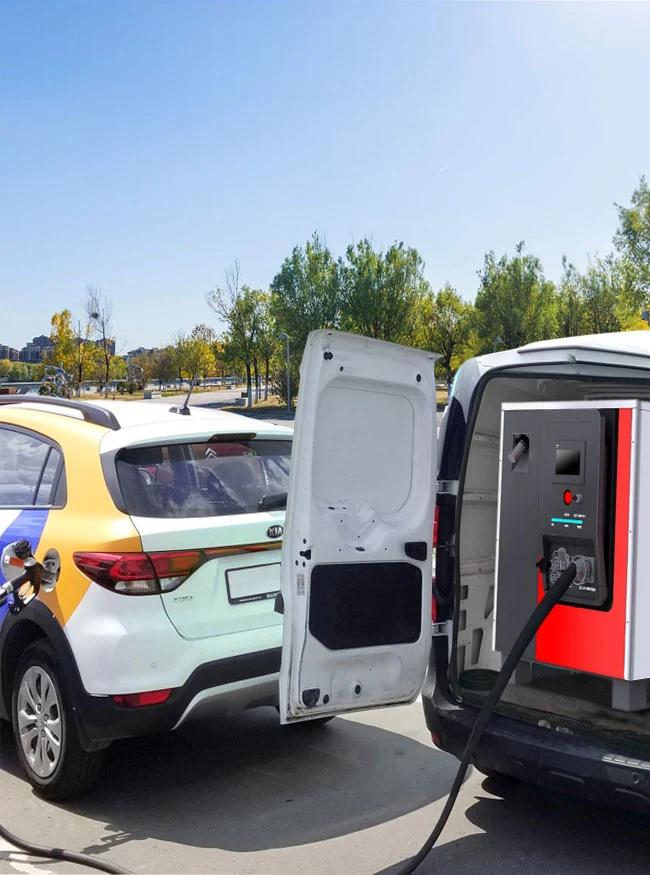
Renewable Integration: Portable power banks and battery storage units now integrate seamlessly with solar panels and wind turbines, supporting micro‑grids and V2G (vehicle‑to‑grid) systems.

Emergency Preparedness: Natural disasters and grid unreliability have made portable battery storage indispensable for first responders and disaster relief organizations.

Technological Innovation: Next‑generation BMS (battery management systems), higher energy densities, and modular designs are extending runtimes and improving safety.

By region, Asia‑Pacific leads adoption owing to rapid infrastructure expansion, while North America and Europe focus on premium, feature‑rich units for professional and recreational uses. Latin America and Africa are emerging markets, where portable power storage solves rural electrification challenges.

Analysts forecast that by 2030, increasing convergence of IoT‑enabled monitoring and AI‑driven energy optimization will make portable power storage systems smarter, more efficient, and even more indispensable across industries.

Future Development of Mobile Energy Storage in the Middle East

The Middle East’s march toward a clean‑energy future brings both opportunities and hurdles for mobile energy storage in Middle East deployments. Understanding these challenges—and charting pathways to overcome them—will be pivotal for widespread adoption.

A. Technical and Environmental Challenges
Extreme Temperatures & Dust
Ambient temperatures often exceed 50 °C, and dust storms are frequent. Thermal runaway risks escalate, while filtration and sealing systems must prevent particulate ingress that can impair electronics and thermal‐management components. Robust liquid‑cooling designs, IP‑rated enclosures, and regular maintenance regimes are non‑negotiable.

Grid Interconnection Complexity
Varying grid codes across GCC countries, coupled with rapidly evolving renewable penetration levels, require systems that can handle dynamic frequency and voltage excursions. Real‑time EMS adjustments, STS modules for seamless grid/off‑grid transitions, and synchronous control capabilities are essential to maintain power quality and safety.

Logistics and Deployment
Remote oilfields, desert solar farms, and transient construction sites pose logistical hurdles. Transport infrastructure may be limited, and customs clearances for large battery units can be time‑consuming. Strategic pre‑positioning of rental fleets, modular “plug‑and‑play” designs, and partnerships with local EPC contractors can streamline deployment timelines.

Battery Degradation and Lifecycle Management
High C‑rates and deep discharge cycles accelerate degradation, impacting total cost of ownership calculations. Advanced BMS algorithms, predictive analytics, and regular cell health assessments are needed to optimize cycle life and schedule preventive maintenance—ensuring reliable performance over a 10‑year lifecycle.

B. Regulatory and Financial Barriers
Inconsistent Incentives
While some nations offer feed‑in tariffs, net metering, or storage‑specific subsidies, others lag behind. Harmonizing incentive structures—perhaps through region‑wide green bonds or sovereign financing—could unlock new market segments, particularly for SMEs and municipal projects.

Financing Constraints
High upfront CapEx remains a deterrent. Innovative financing models—such as energy‑as‑a‑service (EaaS), leasing, or performance‑based contracts—can lower barriers to entry. International development banks and private equity are beginning to underwrite such deals, but standardized credit frameworks are still nascent.

Safety and Insurance
Perceived risks around thermal events, transport accidents, and fire liability necessitate clear insurance policies and emergency response protocols. Developing region‑specific safety standards and joint drills between manufacturers, insurers, and first responders will bolster stakeholder confidence.

C. Market and Operational Challenges
Skilled Workforce Shortages
Commissioning, operation, and maintenance of advanced battery systems require specialized training. Partnerships with technical institutes and in‑country training centers can cultivate the necessary talent pool—ensuring long‑term operational excellence.

Interoperability and Vendor Lock‑in
Proprietary protocols can hinder system interoperability. Adoption of open standards (e.g., IEEE 2030.5, Modbus‑TCP) and collaboration on common data models will foster a more competitive vendor landscape and protect end users’ investments.

Public Perception and Awareness
Many end users remain unaware of mobile energy storage benefits compared to diesel generators. Targeted educational campaigns—highlighting total cost savings, environmental advantages, and case‑study results—are critical to drive broader acceptance.

D. Future Development Trends
Next‑Gen Chemistries
Solid‑state and sodium‑ion batteries promise enhanced safety and performance in high‑temperature environments. Early pilots in the GCC are already testing these chemistries for mobile applications.

Hybrid Renewable Integration
Coupling portable storage with mobile PV trailers, wind‑energy carts, and micro‑turbine gensets will unlock truly autonomous power islands—ideal for remote construction or event sites.

AI‑Driven Optimization
Machine‑learning algorithms will refine SOC management, predictive maintenance, and market arbitrage—maximizing revenue streams from frequency regulation and demand response participation.

Hydrogen and Fuel‑Cell Hybrids
In the longer term, portable hydrogen fuel cells combined with battery buffers may offer extended runtimes and rapid refueling for critical missions.

Regulatory Harmonization
Regional cooperation on standards, incentives, and cross‑border deployment frameworks will accelerate scale. Efforts like the GCC Grid Interconnection Project could pave the way for sharing mobile storage assets across states.

E. Strategic Recommendations
Invest in R&D for thermal management and advanced chemistries tailored to desert climates.

Forge PPPs to pilot mobile microgrids in underserved areas, demonstrating viability and securing policy support.

Develop Talent through certification programs and knowledge‑transfer workshops with OEMs.

Promote Standardization by participating in local standards bodies and advocating for open protocols.

By addressing these technical, regulatory, and market challenges—and embracing emerging trends—stakeholders can ensure mobile energy storage in Middle East evolves from niche deployments into a cornerstone of the region’s sustainable energy infrastructure.

Have Questions?

Looking for the portable power storage for your project or business? Whether you're comparing different solutions, exploring off-grid applications, or seeking a reliable portable power storage manufacturer, we’re here to assist you every step of the way!

Message Form

Mobile ESS Products

Mobile energy storage charging station - Portable Energy Storage Station

Containerized Energy Storage System – Lift‑Mounted Mobile charging station

Portable Battery Charging Station-High power portable power ban

Mobile Energy Storage Tractor - Mobile EV Charging Trailer

200KWh Premium Mobile EV Charging Station – Portable EV Charging

Mobile Charging Robot – Automatic EV Charging

Recommended Products

energy storage microgrid

outdoor battery storage cabinet

portable power storage comprehensive guide

mobile energy storage in Middle East

Hot Mobile ESS Products

mobile energy storage in Middle East

portable power storage comprehensive guide

outdoor battery storage cabinet

energy storage microgrid

Topband – Your trusted manufacturer of mobile energy storage and battery cabinet systems.
New Energy

Mobile Energy StorageMobile energy storage charging station - Portable Energy Storage StationContainerized Energy Storage System – Lift‑Mounted Mobile charging stationPortable Battery Charging Station-High power portable power banMobile Energy Storage Tractor - Mobile EV Charging Trailer200KWh Premium Mobile EV Charging Station – Portable EV ChargingMobile Charging Robot – Automatic EV Charging

Energy Storage Cabinet215 kWh Energy Storage Cabinet261° Electric Energy Storage Battery Cabinet 

Stacked Energy StorageTP-DW-10KWh-5KWTP-DW-12KWh-20KW

PEDF Energy GatewayPEDF Energy Storage

EMSMW Level EMS Energy Storage ControllerEnergy Storage ControllerEnergy Storage Coordination ContrillerIntegrated Controller

Photovoltaic EquipmentDC Combiner BoxAC Combiner BoxGrid Connected CabinetConfluence Box Monitoringunit

Power

Low voltage switchgearPump control cabinetFan control cabinetPLC frequency conversion control cabinetGGJ type low-voltage reactive power compensation cabinetGGD type low voltage fixed switchgearGCS type low-voltage withdrawable switchgearGCK type low-voltage withdrawable switchgear

High voltage switchgear XGN-1224 Fully Insulated and Sealed Inflatable Ring Main SwitchgearXGN15-12 AC metal ring network switchgearKYN28A-12 Metal Armored Removable Switch CabinetKYN28-24 Metal Armored Removable Switch Cabinet

Three boxes and supporting Intelligent distribution boxXL-21 power distribution boxPXD type AC distribution box

Box type transformerZGS11-120.4 American Box TransformerYBM-120.4 European Box Transformer

Solution
Photovoltaic storage chargingCommercial complexManufacturingSmart Farm
News
Company NewsIndustry NewsEvents News
Service
Product BrochureUser ManualPromotion VideoOperation TutorialFAQs
About Us
Company OverviewCompany HonorsGlobal Layout

Address:Topband Industrial Park, Liyuan Industrial Zone, Shiyantangtou Avenue, Bao'an District, Shenzhen.

Tel:0755-27651888-2945

E-mail:fanlj@topband.com.cn

1996-2024@ Shenzhen Topband Automation Technology Co., Ltd. Copyright Website Map